

Health 2.0 Conference Explores The Hidden Cost Of Administrative Burden In Healthcare
Posted on : September 02, 2026

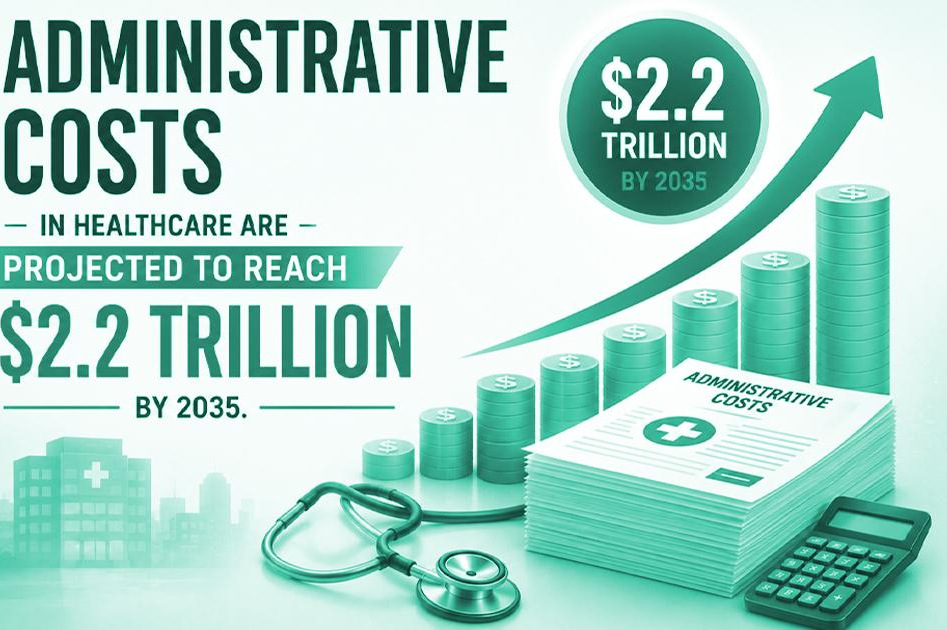
Healthcare professionals enter the profession to diagnose illnesses, support recovery, and improve patient outcomes. However, a growing portion of their workday is now devoted to documentation, compliance requirements, electronic health records, and administrative processes. While many of these responsibilities are essential for maintaining quality standards and regulatory compliance, they can also reduce the time available for direct patient care. As healthcare systems continue to evolve, organizations are examining how administrative demands influence both workforce well-being and healthcare delivery.
Finding the right balance between operational requirements and patient-centered care is becoming an important priority across the sector. These changing priorities continue to shape knowledge-sharing opportunities at global health conferences in 2026, where healthcare leaders, clinicians, and innovators explore practical approaches to improving healthcare efficiency and supporting better patient outcomes.
TL;DR: Key Takeaways
- Highlights how administrative burden influences clinician well-being and patient care.
- Explores the factors contributing to increasing documentation and compliance demands.
- Examines the operational and clinical impact of administrative responsibilities.
- Explains why healthcare organizations are seeking more efficient workflows.
- Discusses the importance of creating healthcare systems that better support clinicians and patients.
How Healthcare Administration Has Become More Complex
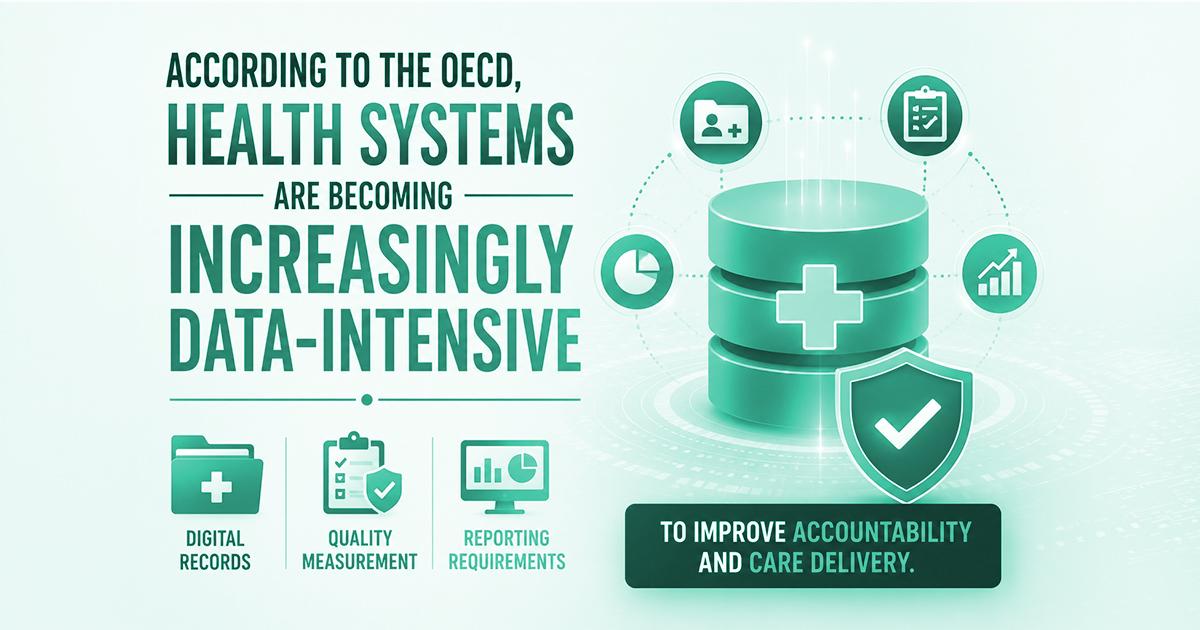
Healthcare systems have become increasingly complex as care delivery, regulatory requirements, digital health technologies, and quality reporting continue to evolve. Alongside providing clinical care, healthcare professionals are now expected to navigate expanding documentation standards, compliance obligations, and data management responsibilities that support coordination, accountability, and patient safety across healthcare systems. According to the American Hospital Association, physicians spend 27% of their office day on direct clinical face time with patients and 49% on electronic health records and desk work.
This finding highlights how administrative responsibilities have become a significant part of everyday clinical practice and continue to influence healthcare delivery across different care settings. As healthcare systems continue to expand and become more data-driven, organizations are increasingly looking for ways to streamline administrative processes without compromising quality, safety, or regulatory compliance.
The Clinician Experience In A Changing Healthcare System
The impact of administrative work extends beyond operational efficiency. It can also influence how clinicians experience their profession on a daily basis. Managing extensive documentation alongside patient care responsibilities may contribute to fatigue, increased mental workload, and reduced professional satisfaction, particularly when administrative tasks continue after clinical hours. According to the 2025 Medscape article, 62% of physicians cited work-related bureaucratic tasks as the primary contributor to burnout, making it the most commonly reported factor.
The report underscores how administrative complexity continues to affect clinician wellbeing while reinforcing the need for more efficient healthcare workflows. Supporting clinician wellbeing therefore involves more than addressing workplace stress. It also requires examining how administrative processes, technology, and organizational systems can be designed to allow healthcare professionals to spend more time applying their clinical expertise where it matters most, caring for patients.
Rethinking Administrative Workflows In Healthcare
Reducing administrative burden is not simply about eliminating paperwork. Many administrative responsibilities remain essential for patient safety, regulatory compliance, and coordinated care. The challenge lies in redesigning workflows so clinicians can devote more time to clinical decision-making while routine administrative activities become more efficient. Healthcare organizations are increasingly exploring solutions that simplify documentation, improve information sharing, and reduce repetitive manual processes.
These efforts often involve combining digital technologies with workflow redesign to create systems that support both healthcare professionals and patients. These priorities continue to shape conversations across healthcare conferences and events in 2026. Let us look at some of the approaches that are helping organizations improve administrative efficiency:
1. Leveraging AI For Smarter Documentation
Artificial intelligence is helping reduce the time clinicians spend on routine documentation by supporting more efficient recordkeeping.
- Automate routine documentation and reduce manual data entry.
- Improve the accuracy and consistency of clinical records.
- Allow clinicians to dedicate more time to patient care.
2. Integrating Healthcare Information Systems
Improving interoperability between healthcare platforms enables patient information to move more efficiently across departments and care settings.
- Eliminate duplicate documentation across multiple systems.
- Improve access to accurate and timely patient information.
- Strengthen communication between care teams and departments.
3. Strengthening Team-Based Administrative Support
Administrative responsibilities are increasingly being shared across multidisciplinary teams rather than resting solely with clinicians.
- Delegate appropriate administrative tasks across care teams.
- Improve workflow efficiency through shared responsibilities.
- Enable clinicians to focus on diagnosis and treatment.
4. Redesigning Clinical Workflows
Healthcare organizations are continuously reviewing administrative processes to identify unnecessary complexity and remove workflow bottlenecks.
- Simplify routine administrative processes and approvals.
- Reduce delays caused by inefficient workflows.
- Create more consistent and streamlined care delivery.
5. Creating A Culture Of Continuous Improvement
Administrative efficiency is an ongoing objective rather than a one-time initiative.
- Regularly evaluate workflows to identify opportunities for improvement.
- Encourage staff feedback to refine administrative processes.
- Continuously adapt operations to changing healthcare needs.
Designing Better Care Through Smarter Systems
The future of healthcare will likely depend on creating systems that balance operational efficiency with high-quality patient care. While administrative processes will continue to play an important role in ensuring accountability, safety, and continuity of care, healthcare organizations are increasingly recognizing the need to design these systems around the needs of both clinicians and patients. If you are interested in learning how healthcare organizations are improving operational efficiency while enhancing patient outcomes, you can join the upcoming health summit in Singapore to explore the technologies, leadership strategies, and collaborative approaches shaping the future of patient-centered healthcare.
FAQs
1. Why is reducing administrative burden important?
- Reducing unnecessary administrative complexity can improve workflow efficiency, support clinician wellbeing, and allow more time for direct patient care.
2. How long do I need to wait for the confirmation of my registration?
- As soon as you complete the registration process, you'll receive a confirmation email from us. We will also send you your login details within 24-48 business hours after we have successfully validated your details.
3. How can technology reduce administrative workload?
- Artificial intelligence, automation, interoperable systems, and intelligent documentation tools can streamline repetitive administrative activities while improving operational efficiency.
4. Does reducing administrative work affect healthcare quality?
- The objective is not to remove essential administrative responsibilities but to redesign processes to maintain quality, safety, and compliance while improving efficiency.
5. Do I need to pre-register for attending the Health 2.0 Conference?
- Yes, you need to register before attending the three-day health conference. To get our all-inclusive Attendee Pass, visit the official website to secure your spot.
Author Bio
Aayushi Kapil
Aayushi Kapil, one of the enthusiastic Health 2.0 Conference’s organizing team members, is passionate about learning new advances in the healthcare sector. Health 2.0 Conference provides a vibrant platform to highlight escalating hospital management systems, school nutrition policies, and how patients can be vigilant about insurance spam and billing scams perpetrated by fraudsters.
Recent Blogs
-
The Rise Of Online Medication Purchases: Health 2.0 Conference Reviews The Prevalence Of Fraud
Posted on : February 03, 2023 -
3D Printing & Its Impact On Healthcare Worldwide
Posted on : February 01, 2023 -

Benefits Of Exhibiting At Healthcare Conferences | A Guide By Health 2.0 Conference
Posted on : February 01, 2023 -

Clinical Trial Trends In 2023 & What To Expect Going Forward
Posted on : January 24, 2023 -

Innovation In Mental Health Care
Posted on : November 11, 2022 -

Clinical Trial Trends & Market Changes
Posted on : November 11, 2022 -
Common Healthcare Fraud Schemes | Health 2.0 Conference Reviews
Posted on : October 21, 2022 -
How Far Have We Come? A Look at Mental Health Awareness Today
Posted on : October 10, 2022 -

How Are EHRs Better Than Paper Records?
Posted on : October 06, 2022 -

Attracting & Engaging Workforce In Healthcare Industry
Posted on : September 30, 2022